
A teacher looking to put theory into practice discovered a new way to make learning visible in her classroom.
A teacher looking to put theory into practice discovered a new way to make learning visible in her classroom.
Melissa Unger
- Elementary School Teacher
- South Fayette Township School District
- Pittsburgh, PA
A Search for Something More Hands-On
After completing a doctorate grounded heavily in theory and research, K–2 teacher Melissa Unger was looking for ways to bridge academic ideas with the everyday realities of her classroom.
“I wanted to take some of my research and apply it in a more hands-on way with students,” she says.
Finding Community and Confidence
Melissa joined the Maker Educator Leadership Certificate Program looking for both practical tools and a community of educators who shared her interests. Although she was initially hesitant about online learning, she quickly found meaningful connection through the program’s collaborative structure and conversations with educators from different settings and disciplines.
The experience helped her strengthen not only her classroom practice, but also her confidence in advocating for maker-centered learning within a traditional school environment.
“In my STEAM classroom, it’s my thing, I see the power of it,” Melissa says. “But sometimes I really struggle to be heard when there are other competing demands.”
Through the program’s research readings, reflection activities, and discussions, she gained new language and frameworks for explaining the value of the work she was already doing.
“A lot of the readings were things I could take back to my classroom or text to my teacher friends,” she says.
Melissa Unger
- Elementary School Teacher
- South Fayette Township School District
- Pittsburgh, PA
A Storybook Ending
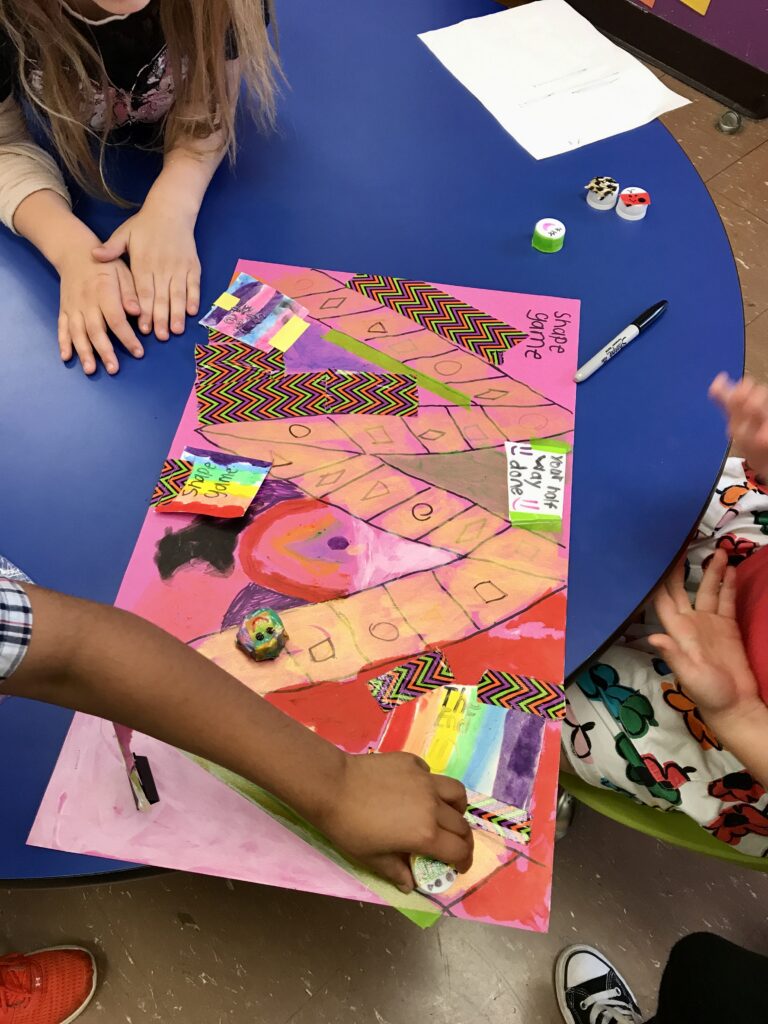
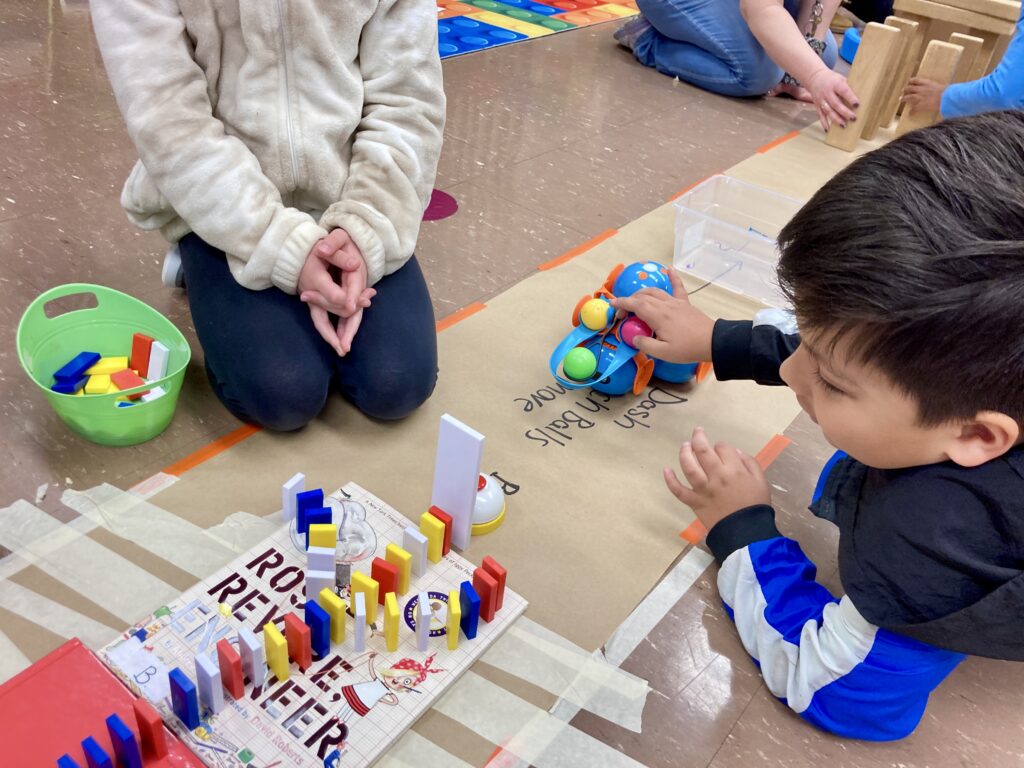
For her practicum project, Melissa created original children’s books inspired by real experiences in her classroom.
“I wanted books that model the kinds of conversations we were having,” she says.
The books captured student thinking, persistence, creativity, and reflection, helping make invisible learning visible for both students and teachers. The process also changed how Melissa observed her classroom.
“It gave me the opportunity to step back and listen,” she says, “and see not only where they struggled, but how they were solving problems.”
Making Learning Visible
Now, reflection is a core component of Melissa’s teaching practice and how she helps students move beyond surface-level responses and explain the reasoning behind their choices, ideas, and designs.
Melissa entered the program looking for a way to put theory into practice. She left with new tools, stronger confidence in her work, and stories that help make learning visible for others.